 (Image via
The shift to remote and hybrid work models has fundamentally changed our daily lives. Interactions that once happened in structured office environments now take place through our screens, blending our professional and personal spaces in new ways. This integration of work into the home has introduced unique challenges to maintaining personal boundaries. Understanding this new landscape is the first step toward navigating it effectively. We will explore how the digital age reshapes our sense of personal space and time. You will gain insight into the psychological effects of constant connectivity and learn practical strategies for establishing healthy boundaries. This discussion offers a path to reclaim control over your work-life balance in a connected world.
The Blurring Lines Between Work and Home
The concept of a "workplace" has transformed dramatically. For many, the daily commute has been replaced by a short walk to the living room or home office. This convenience, however, comes at a cost. The physical separation between work and home traditionally provided a clear psychological boundary. Leaving the office signaled the end of the workday and the beginning of personal time. Without this distinct separation, our brains can struggle to switch off from work-related responsibilities.
Constant Availability and Digital Presenteeism
Digital communication tools, such as Slack, Microsoft Teams, and email, create an expectation of constant availability. The green "active" status light can feel like a demand to be always online and responsive. This phenomenon, often called "digital presenteeism," is the feeling of needing to be visibly working online, even outside of standard hours. This pressure can lead to longer workdays as employees feel compelled to answer messages and emails late into the evening.
This erosion of downtime is not just a perception; it is a measurable trend. Studies have shown a significant increase in the average workday length since the widespread adoption of remote work. This "always-on" culture makes it difficult to disengage, leading to mental and emotional exhaustion. Personal time, family dinners, and relaxation are frequently interrupted by work-related notifications, blurring the lines that protect our private lives.
Your Home as Your Office
Using personal spaces for professional tasks also presents challenges. The kitchen table becomes a desk, and the bedroom corner transforms into a video conference background. This overlap means our homes are no longer just sanctuaries for rest and personal life. Instead, they are filled with the tools and triggers of our jobs. Seeing a work laptop on the dining table during dinner can be a constant reminder of unfinished tasks and looming deadlines.
This spatial blending can create a sense of being perpetually "at work." The psychological cues that tell us it is time to relax are diminished. For those living in smaller spaces, creating a physically separate workspace is often not possible, making this boundary-blurring even more intense. Reclaiming the home as a personal sanctuary requires conscious effort and new routines.
Psychological Effects of Weakened Boundaries
The constant overlap between our professional and personal lives has significant psychological consequences. Maintaining healthy boundaries is essential for mental well-being, and their erosion can lead to a range of negative outcomes. Understanding these effects is key to recognizing the importance of re-establishing control.
Burnout and Chronic Stress
One of the most common outcomes of blurred boundaries is burnout. Burnout is a state of emotional, physical, and mental exhaustion caused by prolonged or excessive stress. The inability to disconnect from work means the body and mind have little opportunity to recover. The pressure to be constantly productive, coupled with the lack of clear separation between work and rest, creates a perfect storm for chronic stress.
Symptoms of burnout include:
- Feelings of energy depletion or exhaustion
- Increased mental distance from one’s job, or feelings of negativism or cynicism related to one's job
- Reduced professional efficacy
This condition does not just impact work performance; it spills over into every aspect of life, affecting relationships and overall health.
The Impact on Relationships
Weak boundaries also strain personal relationships. Your partner, children, or roommates may feel that you are physically present but mentally absent, still engrossed in work. The constant interruptions from notifications and last-minute tasks can lead to frustration and conflict. It becomes difficult to be fully present and engaged with loved ones when a part of your attention is always tethered to your job.
Building strong personal connections requires dedicated, uninterrupted time. The intrusion of work into evenings, weekends, and even vacations can erode the quality of these important relationships. Family members might feel they are competing with your job for your attention, which can create resentment and emotional distance over time.
Strategies for Reclaiming Your Boundaries
The good news is that you can take concrete steps to re-establish and protect your personal boundaries in a remote work environment. These strategies require intentionality and consistency, but they can lead to a healthier, more balanced life. We can help you build the habits that protect your time and energy.
Creating Physical and Digital Separation
Establishing clear separations between your work and personal life is fundamental. This can be achieved through both physical and digital means.
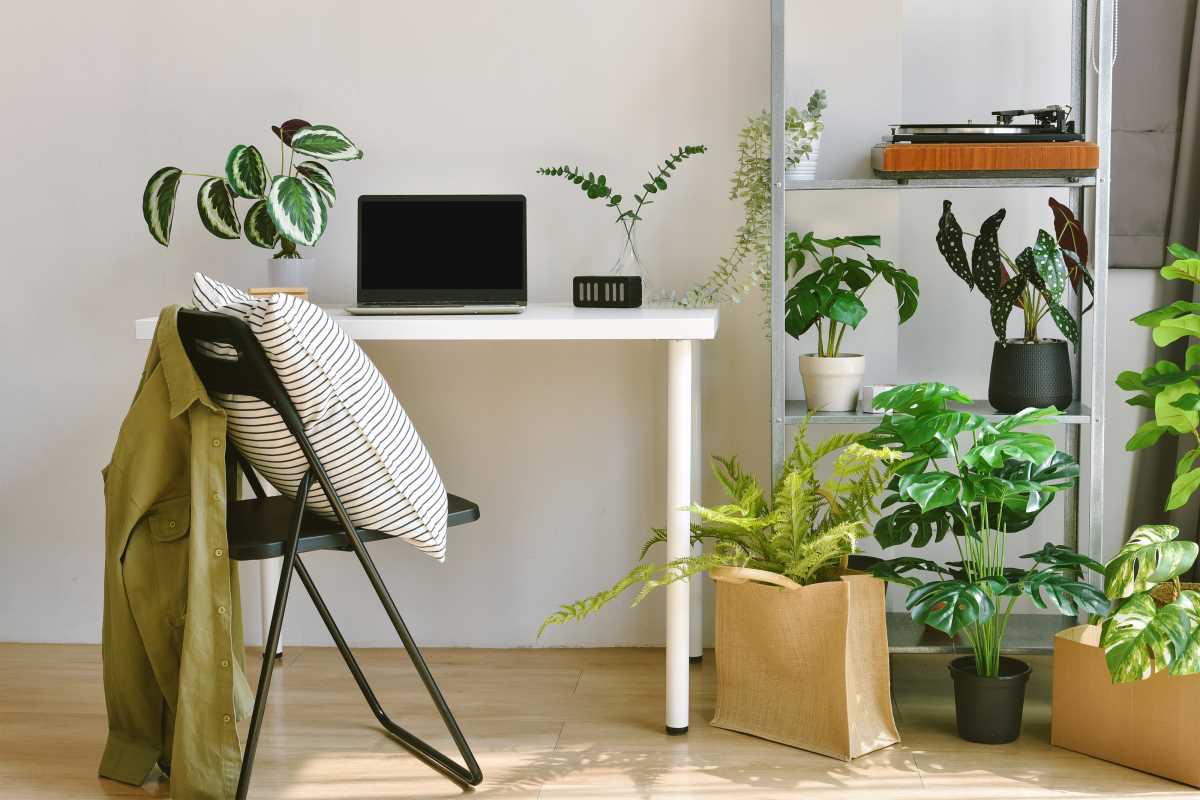
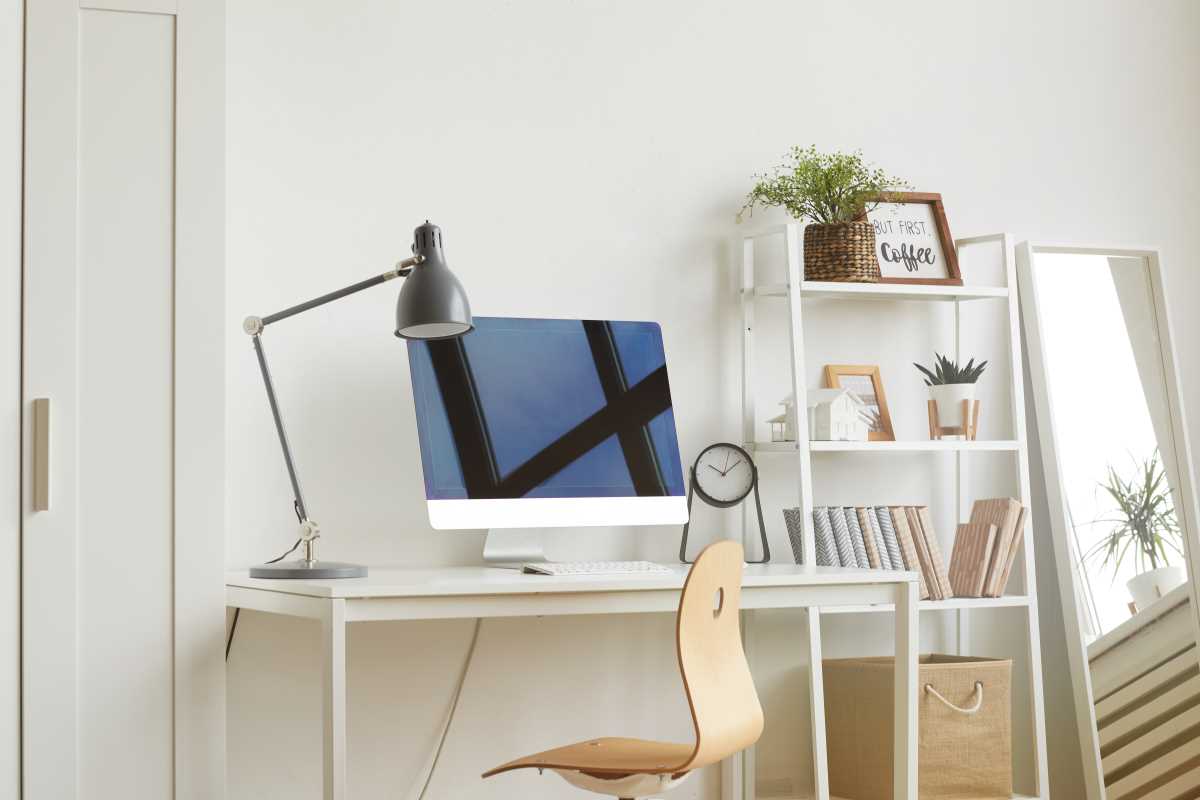
- Designate a Workspace: If possible, dedicate a specific area in your home solely for work. It could be a separate room, a corner of the living room, or even just a particular chair. Avoid working from your bed or the sofa where you relax. This creates a physical boundary that helps your brain associate that space with productivity and other areas with rest.
- Set Digital Boundaries: Use the features of your communication tools to your advantage. Set your status to "away" outside of work hours. Turn off notifications on your phone and computer for work-related apps after your workday ends. Consider having separate user profiles on your computer for work and personal use to create a digital divide.
Structuring Your Time with Intention
Without the external structure of an office environment, you must create your own. A structured schedule helps protect your personal time and prevents work from spilling into every hour of the day.
- Define Your Workday: Set clear start and end times for your workday and stick to them. Communicate these hours to your colleagues and manager so they know when you are available. Resisting the urge to check emails "just one more time" after hours is crucial.
- Schedule Breaks: Incorporate regular breaks into your schedule, just as you would in an office. Use this time to step away from your screen, stretch, or do something you enjoy. A dedicated lunch break away from your desk can significantly improve your focus and well-being.
- Bookend Your Day with Routines: Create routines that signal the beginning and end of your workday. A morning routine could include exercise or reading before you log on. An evening routine, like a walk, cooking, or changing out of your "work clothes," can help you mentally transition out of work mode.
Communicating Your Boundaries Clearly
Setting boundaries is not just a personal exercise; it requires clear communication with others. Your colleagues and managers cannot respect boundaries they do not know exist.
- Be Proactive: Clearly state your working hours in your email signature and your status on communication platforms.
- Learn to Say No: It is important to recognize your capacity and politely decline requests that fall outside your work hours or responsibilities. Saying no is not about being unhelpful; it is about protecting your time and energy to perform your core duties effectively.
- Manage Expectations: Be transparent about your response times. You can use automated email replies to inform people that you will respond during your next working hours. This manages their expectations and reduces your pressure to reply immediately.